Student Backpack Vector: Design Essentials
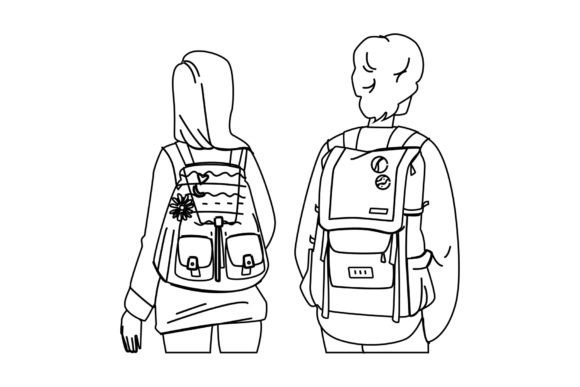
In the fast-paced world of digital content creation, finding the right visual asset can make or break a project. Whether you are designing a landing page for an online course, creating social media graphics for a tutoring service, or illustrating a blog post about campus life, the imagery you choose sets the tone. This is where a high-quality student backpack vector becomes an indispensable tool in your creative arsenal. It is not merely an icon of school supplies; it is a symbol of learning, ambition, and the journey of education.
Vectors offer distinct advantages over raster images like standard JPEGs. They are scalable, meaning you can resize them from a tiny favicon to a massive billboard without losing clarity. When you incorporate a student backpack vector into your workflow, you gain flexibility. You can change colors to match brand guidelines, adjust line weights for different printing methods, and isolate elements for unique compositions. This adaptability is crucial for professionals who need consistent branding across various platforms.
Why Visual Storytelling Matters in Education Marketing
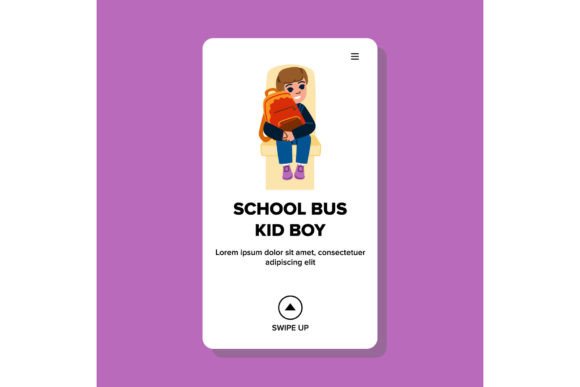
Education is an emotional journey. For parents, it represents hope and investment in the future. For students, it signifies independence and growth. A flat cartoon illustration of a happy young student with a backpack captures these sentiments instantly. It humanizes abstract concepts like "higher education" or "academic success." When viewers see a relatable character—a person who looks engaged, happy, and ready to learn—they connect with the message on a personal level.
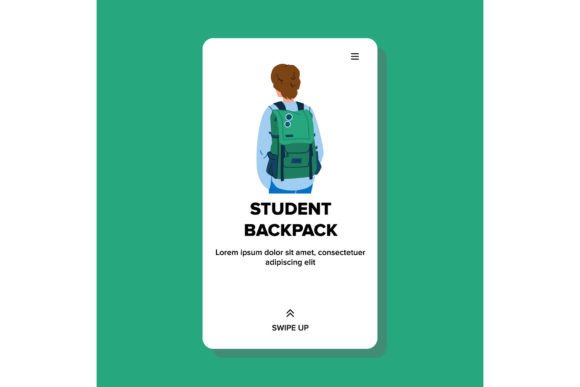
Using a student backpack vector allows marketers and educators to tap into this psychological connection. Instead of relying on stock photos that may feel staged or generic, customizing a vector illustration lets you create a unique visual identity. You can depict diversity, inclusivity, and modern study habits through simple design choices. For instance, adding a laptop sticker to the backpack or changing the character’s attire can signal whether the focus is on traditional schooling, university life, or remote learning.
Creative Applications Across Industries
The utility of this type of illustration extends far beyond textbook covers. Here is how different professionals can leverage these assets effectively:
- Educational Institutions: Universities and colleges can use these vectors in orientation materials, campus maps, and alumni newsletters. A consistent style helps build a friendly and approachable institutional image.
- E-Learning Platforms: Online course creators need engaging thumbnails and module icons. A cheerful student character holding a backpack can serve as a mascot, guiding users through their learning path.
- Stationery and Retail Brands: Companies selling school supplies can use these illustrations in packaging design, catalogues, and seasonal advertising campaigns. The flat design style translates well to print materials.
- Bloggers and Content Creators: Writers focusing on study tips, budgeting for college, or career advice can break up text with relevant visuals. A well-placed vector keeps readers engaged and improves readability.
Each of these applications requires a slightly different approach. A retailer might prefer bold, vibrant colors to grab attention on a shelf, while a university might opt for muted, sophisticated tones to convey prestige. The beauty of working with EPS formats is that you have full control over these aesthetic decisions.
Design Tips for Maximum Impact
To ensure your use of a student backpack vector remains professional and effective, consider these practical design principles. First, maintain consistency. If you are using a flat cartoon style, ensure all other graphical elements in your project share similar line weights, color palettes, and levels of detail. Mixing hyper-realistic photos with simple vectors can look disjointed unless done with intentional artistic contrast.
Second, think about composition. A backpack alone is a static object. However, when paired with a happy young student, it tells a story. Use negative space wisely. In web design, clutter is the enemy of conversion. A clean, isolated vector allows the eye to rest and focuses attention on your call-to-action. For example, place the illustration to the left of your headline if your audience reads left-to-right, leading their eye naturally into the text.
Third, consider accessibility. Ensure there is sufficient contrast between the vector colors and the background. If the backpack is dark blue, place it on a light background. Avoid using text inside complex parts of the illustration, as this can become illegible on smaller mobile screens.
Technical Considerations: JPG vs. EPS
Understanding file formats is critical for efficient workflow. Most vector packages come with both JPG and EPS files, and knowing when to use each is key.
JPG (Joint Photographic Experts Group): This is a raster format. Use JPGs for quick previews, social media posts where editing is not required, or web banners where file size needs to be small. However, remember that JPGs do not support transparency and will pixelate if enlarged beyond their original dimensions. They are best for final-output scenarios where no further modification is needed.
EPS (Encapsulated PostScript): This is the gold standard for vector graphics. EPS files contain mathematical paths rather than pixels. This means you can open them in software like Adobe Illustrator, CorelDRAW, or Inkscape to edit every anchor point. You can change the color of the backpack straps, modify the shape of the books peeking out, or adjust the facial expression of the student. Always start your design process with the EPS file to retain maximum flexibility.
Adapting to Modern Trends
The concept of the "student" is evolving. Today’s learners are diverse in age, background, and method of study. A modern student backpack vector should reflect this reality. Consider variations that include non-traditional students, such as adult learners returning to university or vocational trainees. You might illustrate a backpack alongside a coffee cup and a tablet, representing the modern hybrid learning environment.
Furthermore, the flat design trend continues to dominate digital interfaces because of its clarity and speed. Flat cartoon illustrations load faster than detailed 3D renders and are easier to interpret at a glance. By choosing a flat style, you align your content with current user experience expectations. It feels native to the digital environment, whether viewed on a smartphone, tablet, or desktop monitor.
Final Thoughts on Creative Utility
Incorporating a student backpack vector into your projects is more than a decorative choice; it is a strategic one. It communicates readiness, optimism, and the value of education. By leveraging the scalability of vector formats and the emotional resonance of character-driven illustration, you can create content that resonates with your audience. Whether you are a freelancer pitching a new brand identity or an educator designing course materials, these tools empower you to communicate clearly and creatively. Start experimenting with different layouts and color schemes to find what best suits your unique voice and goals.