Jannyne: The Handwritten Font for Modern Design
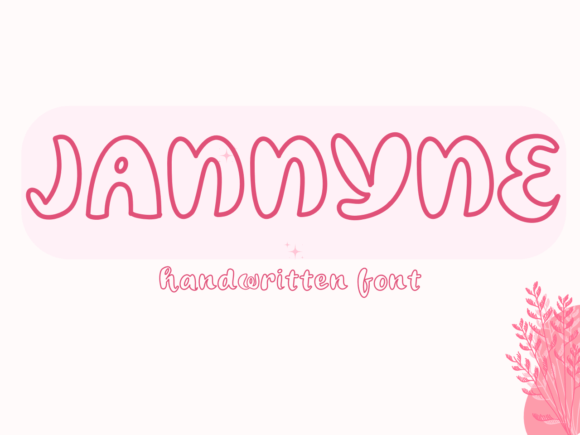
In a digital landscape often dominated by rigid geometric sans-serifs and sterile corporate typefaces, there is a growing hunger for authenticity. Designers and brands are increasingly seeking visual elements that feel human, approachable, and genuine. This is where Jannyne steps in as a transformative tool for creative professionals. As a sweet and friendly handwritten font, it bridges the gap between professional polish and personal touch, offering a natural style that resonates deeply with contemporary audiences.
The power of typography in graphic design cannot be overstated. It is not merely about legibility; it is about conveying emotion and establishing tone before a single word is read. Jannyne’s unique character makes it incredibly fitting for a large pool of designs, from delicate wedding invitations to bold social media campaigns. Its organic strokes mimic the fluidity of actual handwriting, creating an immediate sense of warmth and connection that standardized fonts often struggle to achieve.
Elevating Brand Identity with Authentic Typography
When building a brand identity, consistency and personality are paramount. A handwritten font like Jannyne can serve as the cornerstone of a brand’s visual language, particularly for businesses that prioritize community, care, and creativity. Whether you are working on logo design for a boutique coffee shop or crafting the packaging design for artisanal skincare products, this typeface adds a layer of craftsmanship that suggests quality and attention to detail.
However, integrating handwritten fonts into a professional design workflow requires balance. To maintain visual hierarchy and readability, consider using Jannyne for headlines, pull quotes, or accent elements while pairing it with a clean, neutral sans-serif for body text. This contrast ensures that your marketing materials remain easy to scan while still capturing attention through distinctive stylistic choices.
Practical Applications Across Media
The versatility of Jannyne allows it to shine across various mediums. Here are several ways designers can leverage this asset to enhance their creative projects:
- Social Media Graphics: In the fast-paced world of digital marketing, stopping the scroll is essential. Use Jannyne for Instagram stories or Pinterest pins to create eye-catching overlays that feel personal and engaging.
- Web and UI Design: While readability is key in UX design, handwritten accents can guide user attention to call-to-action buttons or special offers, adding a human element to digital interfaces.
- Editorial Design: For magazines, blogs, or lookbooks, Jannyne works beautifully for chapter headers or introductory notes, breaking up dense text blocks and adding design inspiration to the layout.
- Print and Merchandise: From tote bags to greeting cards, the font’s natural aesthetic translates well to physical products, enhancing the tactile experience of print design.
Best Practices for Visual Harmony
To maximize the impact of Jannyne, it is crucial to consider how it interacts with other creative assets. A well-chosen color palette can amplify the font’s friendly nature. Soft pastels may highlight its sweetness, while bold, contrasting colors can emphasize its modern edge. Always test scalability; ensure that the intricate details of the handwritten strokes remain clear when resized for different formats, such as mobile screens or large-format banners.
Furthermore, align your typographic choices with your audience’s expectations. If your target demographic values tradition and stability, use Jannyne sparingly as an accent. If they value innovation and personal connection, let the font take center stage. Understanding these nuances helps in creating a professional presentation that feels both intentional and inviting.
Ultimately, the only limit is your imagination. By thoughtfully incorporating high-quality typefaces like Jannyne into your visual design strategy, you elevate not just the aesthetics but the effectiveness of your communication. Quality creative assets do more than look good; they build trust, foster engagement, and tell a story that resonates. Embrace the natural beauty of handwritten typography to create designs that are not only seen but felt.