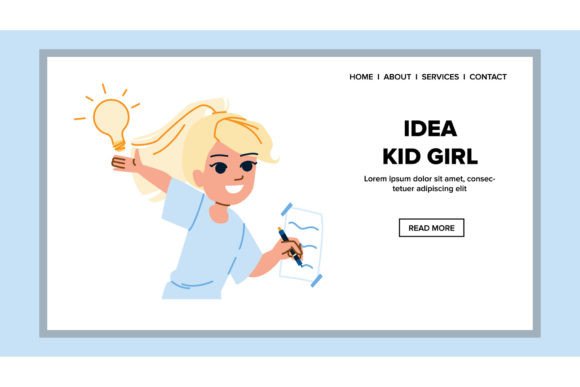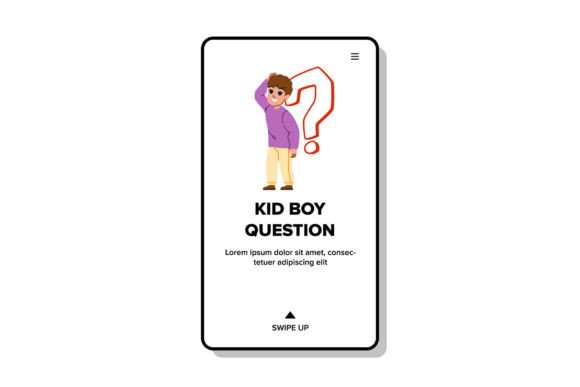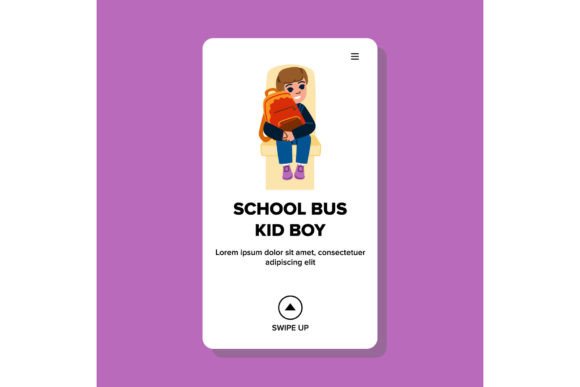
Unlocking Creativity with Scientist Kid Boy Vector Illustrations
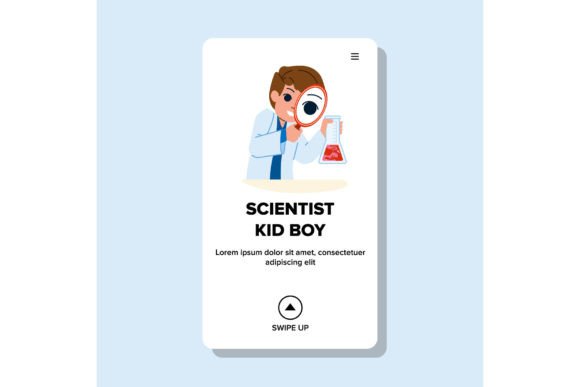
In the rapidly evolving landscape of digital design, finding the right visual assets can make or break a project. Whether you are designing an educational app, creating marketing materials for a STEM program, or developing content for a children’s book, the imagery you choose speaks volumes before a single word is read. One asset that has gained significant traction among designers and educators alike is the scientist kid boy vector. This specific type of illustration combines the charm of childhood curiosity with the precision of scientific inquiry, offering a versatile tool for modern creatives.
The Appeal of Science-Themed Character Design
Visual storytelling is powerful, but it becomes even more effective when the characters resonate with the audience. A science child character does more than just fill space on a page; it embodies the spirit of exploration. When users see a chemistry lab setup depicted through the eyes of a young learner, it demystifies complex subjects. It transforms intimidating concepts into approachable, fun activities.
The scientist kid boy vector is not merely a cartoon; it is a strategic design element. It bridges the gap between formal education and playful learning. By using flat cartoon illustrations, designers can maintain a clean, modern aesthetic that works well across various digital platforms. The simplicity of vector graphics ensures that the image remains crisp whether it is displayed on a small mobile screen or a large classroom projector.
Why Vector Format Matters for Professional Use
When sourcing assets like a research scientific scientist kid boy web flat cartoon illustration, the file format is just as important as the subject matter. Vectors are mathematical representations of images, meaning they can be scaled infinitely without losing quality. This is a critical feature for professionals who need flexibility.
- Scalability: Resize the image from a favicon to a billboard without pixelation.
- Editability: Easily change colors to match brand guidelines or thematic requirements.
- File Size: Vector files are often smaller than high-resolution raster images, leading to faster load times on websites.
Most professional resources offer these illustrations in formats such as JPG for quick previews and EPS for full editing capabilities. While JPGs are useful for immediate insertion into documents or social media posts, EPS files allow graphic designers to manipulate individual elements of the education laboratory scene, such as adjusting the color of the beaker or the shade of the lab coat.
Practical Applications in Education and Business
The utility of a test school themed illustration extends far beyond textbook covers. Here are several real-world scenarios where this asset adds value:
- E-Learning Platforms: Online courses for children benefit greatly from friendly, relatable characters. A scientist kid boy can serve as a mascot, guiding students through modules on biology, physics, or chemistry.
- Marketing Campaigns: Companies selling educational toys or science kits can use these vectors in their ad creatives. The imagery immediately communicates the target demographic and the product’s purpose.
- Presentation Decks: Educators and corporate trainers can break the monotony of text-heavy slides by incorporating relevant, high-quality illustrations. A well-placed vector can highlight key points about innovation and research.
- App Interface Design: User interface (UI) designers often need icons and decorative elements. A flat cartoon style fits seamlessly into modern app designs, providing visual cues without cluttering the screen.
Evaluating Quality and Suitability
Not all vector illustrations are created equal. When selecting a scientist kid boy vector, consider the following criteria to ensure it meets your project’s needs:
Style Consistency: If you are building a comprehensive brand identity, ensure the illustration style matches your existing assets. Flat design is popular, but check if the line weights and color palettes align with your other graphics. A mismatched style can look unprofessional and disjointed.
Anatomical and Contextual Accuracy: While it is a cartoon, basic scientific accuracy matters. For instance, if the character is holding a test tube, ensure it looks like a test tube and not a generic glass. In a chemistry lab setting, safety goggles are a nice touch that adds authenticity and promotes safety awareness.
License Terms: Always verify the licensing agreement. Some vectors are free for personal use but require a commercial license for business projects. Understanding these terms prevents legal issues down the line.
Enhancing Engagement Through Visual Narrative
Human brains are wired to process visuals faster than text. By integrating a research scientific scientist kid boy web flat cartoon illustration into your content, you tap into this cognitive preference. The character acts as an anchor, drawing the viewer’s eye and encouraging them to engage with the surrounding information.
Consider the emotional response elicited by these images. A smiling child engaged in an experiment evokes feelings of joy, curiosity, and confidence. For parents and educators, this is reassuring. It suggests that learning science is not a chore but an adventure. For business owners, it signals that their brand supports growth and development.
Furthermore, using diverse representations in your illustrations can broaden your appeal. While this article focuses on the scientist kid boy, many libraries offer variations including girls and children from different backgrounds. Combining these assets can create a more inclusive narrative that resonates with a wider audience.
Technical Considerations for Web Use
For web developers and digital marketers, performance is key. While vector formats like SVG are ideal for web use due to their small size and scalability, many stock sites provide EPS and JPG formats. Here is how to handle them effectively:
- Conversion: Convert EPS files to SVG for web deployment. This maintains the vector benefits while ensuring compatibility with all modern browsers.
- Optimization: If using JPGs, compress them appropriately to balance quality and load speed. Tools like TinyJPG can help reduce file size without noticeable quality loss.
- Accessibility: Always include alt text when using these images online. Describe the image accurately, e.g., "Flat vector illustration of a young boy in a lab coat conducting a chemistry experiment," to improve SEO and accessibility for screen readers.
Future-Proofing Your Design Assets
Investing in high-quality vector illustrations is a long-term strategy. Unlike trends that fade quickly, the concept of childhood curiosity and scientific discovery is timeless. A well-designed scientist kid boy vector can remain relevant in your asset library for years, adapted for different campaigns and platforms.
Moreover, as augmented reality (AR) and virtual reality (VR) become more prevalent in education, having scalable vector assets allows for easier integration into these new mediums. Clean lines and distinct shapes translate well into 3D modeling and interactive environments.
In conclusion, the scientist kid boy vector is more than just a decorative element. It is a versatile, powerful tool that enhances communication, engages audiences, and supports educational goals. By understanding its features, proper usage, and technical requirements, creators can leverage this asset to produce compelling, professional, and impactful content. Whether you are designing for a test school environment or a global tech brand, the right illustration can illuminate your message and inspire your audience.
Remember to always prioritize clarity and relevance. Choose images that support your narrative rather than distract from it. With the right approach, your use of science child illustrations will not only look good but also perform well, driving engagement and achieving your desired outcomes.