Illuminating Learning: The Visual Power of Neon in Educational Branding
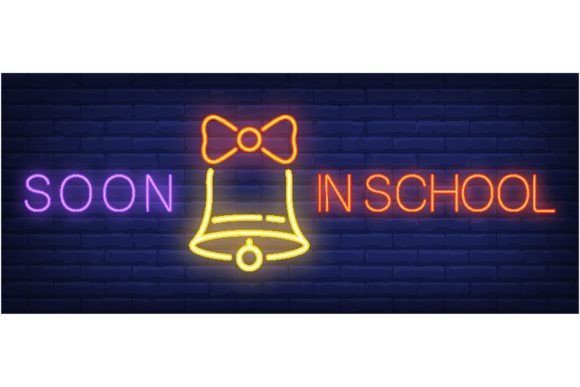
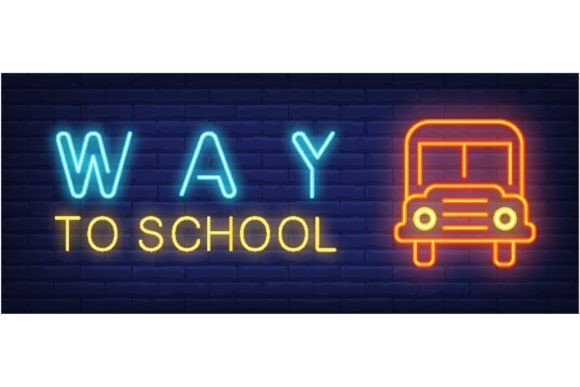
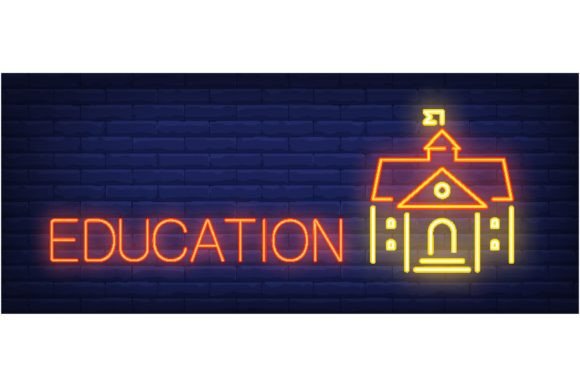
In the saturated landscape of modern advertising, standing out requires more than just a clever slogan or a standard logo. It demands an aesthetic that captures attention instantly and holds it through sheer visual magnetism. This is where the resurgence of neon aesthetics plays a pivotal role, particularly within the education sector. An Education neon text with School or University motif is not merely a decorative choice; it is a strategic communication tool that bridges the gap between traditional academic prestige and contemporary digital culture.
The concept of using bright, glowing signage to represent knowledge transforms the perception of educational institutions. No longer are schools viewed solely as rigid, brick-and-mortar establishments bound by old traditions. Instead, they become vibrant hubs of innovation, creativity, and future-forward thinking. When you visualize an Education and knowledge concept rendered in glowing tubes of electric blue, hot pink, and vibrant yellow, you are tapping into a psychological trigger that associates learning with energy and excitement.
The Psychology of Glow in Academic Marketing
Why does neon work so effectively for educational branding? The answer lies in contrast and visibility. A night bright neon sign cuts through the darkness, both literally and metaphorically. For prospective students scrolling through social media feeds or walking past campus buildings at dusk, these colorful visuals act as beacons. They signal that the institution is active, alive, and relevant.
Consider the typical student demographic. Today’s learners are digital natives who appreciate bold design languages. They respond to aesthetics that feel authentic yet stylized. An advertisement design featuring a vector illustration in neon style resonates because it mimics the UI elements they encounter daily in apps and games. It feels familiar, yet elevated. By incorporating an Education neon text with School or University building silhouette, marketers create a dual narrative: the stability of the institution (the building) and the dynamic nature of the learning experience (the neon).
Design Elements That Drive Engagement
Creating an effective neon-themed campaign requires a nuanced understanding of design principles. It is not enough to simply slap a glow effect on a serif font. The interplay between light and shadow, color theory, and typography must be meticulously balanced.
- Color Symbolism: Blue often represents trust and intelligence, making it ideal for universities focusing on research and science. Orange and yellow evoke creativity and enthusiasm, perfect for art schools or liberal arts colleges. A multicolored approach suggests diversity and inclusivity.
- Typography Choices: The font used in the neon text matters immensely. Script fonts can convey elegance and tradition, while bold sans-serifs suggest modernity and strength. The "tube" effect must look realistic, with subtle imperfections that mimic real glass bending.
- Background Contrast: To achieve that true "night bright" effect, the background must be dark. Deep navy, charcoal, or pure black allows the neon colors to pop. Adding texture, such as a brick wall or a starry sky, adds depth and context to the colorful billboard aesthetic.
When designers craft a vector illustration in neon style, they are not just drawing lines; they are simulating light physics. The glow must bleed slightly into the surrounding space, creating a halo effect that draws the eye inward. This technical precision ensures that the final asset looks professional rather than amateurish, maintaining the authority of the educational brand.
Integrating Neon Aesthetics into Modern Workflows
The application of this visual style extends far beyond static posters. In modern marketing workflows, versatility is key. A single Education neon text with School or University asset can be adapted across multiple platforms, ensuring brand consistency while maximizing reach.
- Social Media Campaigns: Short, looping animations of neon signs flickering on can serve as eye-catching headers for Instagram stories or TikTok backgrounds. These motion graphics increase dwell time and engagement rates.
- Digital Billboards: In urban environments, digital screens compete for attention. A high-contrast neon design stands out against the clutter of standard advertisements, making it ideal for recruitment drives during peak enrollment seasons.
- Campus Wayfinding: Internally, universities are adopting neon-style signage for libraries, labs, and student centers. This creates a cohesive brand experience that extends from external advertising to internal navigation, reinforcing the institution's modern identity.
For graphic designers and marketing teams, utilizing vector-based neon assets offers significant practical benefits. Vectors are scalable without loss of quality, meaning the same file can be used for a small mobile ad or a massive outdoor banner. This efficiency reduces production time and costs, allowing teams to iterate quickly based on performance data.
Balancing Tradition with Innovation
One common concern among educational administrators is whether such a bold, modern aesthetic might undermine the seriousness of academic pursuit. However, the key is balance. The Education and knowledge concept does not have to sacrifice dignity for style. By pairing neon elements with classic architectural imagery—such as a gothic university facade or a modern glass library—the design acknowledges the institution's heritage while projecting its future readiness.
This juxtaposition creates a powerful narrative. It tells stakeholders that the school respects its history but is not bound by it. It is a place where ancient wisdom meets new technology. For example, a poster featuring a historic clock tower outlined in electric purple neon suggests that time-honored values are being illuminated by new perspectives. This approach appeals to both traditional donors and prospective students seeking a progressive environment.
Practical Considerations for Implementation
Before adopting this trend, institutions should consider their specific brand voice. Neon is energetic and loud. It works exceptionally well for community colleges, technical institutes, and universities with strong arts or technology programs. It may be less suitable for highly conservative institutions unless used sparingly as an accent rather than a dominant theme.
Additionally, accessibility remains a crucial factor. While neon is visually striking, designers must ensure that text remains legible. High contrast between the text color and the background is essential. Avoid using similar hues for text and glow, such as red text with a pink glow, which can cause visual vibration and readability issues. Instead, opt for complementary colors or stark white text against a colored glow.
Furthermore, when commissioning a vector illustration in neon style, work with designers who understand the technical aspects of light simulation. Poorly executed neon effects can look flat or cheesy. Look for portfolios that demonstrate an understanding of layering, opacity, and blend modes. The goal is to create an illusion of depth and luminosity that feels tangible.
The Future of Educational Advertising
As we move further into a digital-first world, the boundaries between physical and virtual spaces continue to blur. Neon aesthetics, rooted in physical signage but perfected in digital formats, are perfectly positioned for this hybrid reality. Whether displayed on a smartphone screen or projected onto a building facade, the Education neon text with School or University motif serves as a universal symbol of enlightenment.
In conclusion, the use of neon in educational branding is more than a passing trend. It is a reflection of the changing nature of learning itself—dynamic, accessible, and vibrant. By embracing this style, institutions can communicate their relevance and energy to a generation that values authenticity and visual impact. The next time you see a night bright neon sign promoting a course or a campus event, recognize it for what it is: a beacon of knowledge in the digital age, inviting learners to step into the light.