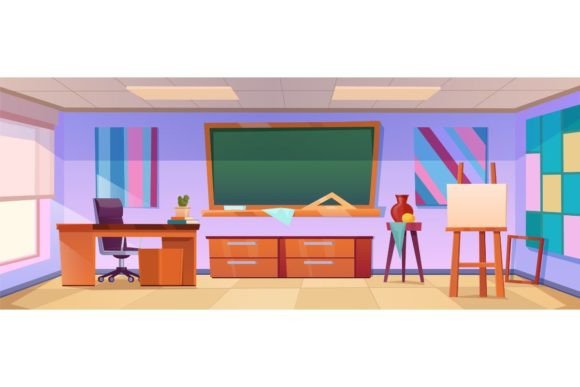
Creating an Inspiring Art Classroom with Easel in School Environments
The foundation of a successful visual arts program lies not just in the curriculum, but in the physical environment where creativity takes place. An Art Classroom with Easel in School setting represents more than a collection of furniture; it is a dedicated ecosystem designed to foster imagination, technical skill, and artistic confidence among students. For educators, administrators, and designers looking to revitalize their learning spaces, understanding the components and potential of this specific layout is crucial. Whether you are planning a new wing for your institution or reimagining an existing multipurpose room, the integration of essential tools like easels, chalkboards, and display areas can transform how children engage with art.
Defining the Ideal Art Space
When we discuss an Art Classroom with Easel in School, we are referring to a specialized interior that balances functionality with inspiration. This space typically features a robust arrangement of artist equipment tailored for education. At the heart of this environment is the easel, the primary workstation where students stand to create large-scale works, practice perspective, and develop fine motor skills. Surrounding these stations are other critical elements: a chalkboard for instruction and brainstorming, walls adorned with paintings to provide visual stimulation, and a teacher desk that serves as the command center for organization and guidance.
This setup is often visualized through vector cartoon illustrations or detailed architectural plans that depict an empty school class interior ready for occupancy. These visualizations help stakeholders understand the flow of the room before construction begins. The goal is to create a zone where the transition from instruction to independent creation is seamless. By prioritizing the presence of an easel and complementary tools, the classroom signals to students that art is a serious, respected discipline worthy of dedicated infrastructure.
Addressing Common Challenges in Art Education
Many schools face significant hurdles when attempting to establish effective art programs. One of the most common challenges is the lack of appropriate spatial design. General classrooms often force art activities into corners with limited lighting and inadequate surfaces, leading to frustration for both teachers and students. Without a proper Art Classroom with Easel in School configuration, students may struggle with posture, visibility, and the ability to work on larger projects.
Another frequent issue is the disorganization of materials. When a room lacks a defined teacher desk area or storage solutions integrated into the design, valuable instructional time is lost searching for supplies. Furthermore, the absence of visual inspiration—such as paintings on the wall—can make the environment feel sterile and uninviting. Students need to see art to want to make art. If the walls are bare, the implicit message is that creative expression is secondary to academic drills. Addressing these situations requires a deliberate shift toward a purpose-built environment that anticipates the needs of young artists.
How the Right Environment Solves Educational Needs
Implementing a well-designed Art Classroom with Easel in School directly addresses these pain points by creating a structured yet flexible learning atmosphere. The inclusion of standing easels encourages better posture and allows students to step back and view their work from a distance, a critical skill for developing composition and scale. This physical engagement changes the dynamic of the lesson, moving students from passive observers to active creators.
The presence of a chalkboard facilitates immediate feedback and collaborative problem-solving. Teachers can demonstrate techniques live, sketch out concepts, or list vocabulary terms without needing digital projectors that might fail or require complex setups. Meanwhile, a designated teacher desk provides a necessary anchor for administrative tasks, grading, and one-on-one mentoring. It establishes a clear hierarchy of support while remaining accessible. Finally, curating the walls with high-quality paintings creates a gallery-like experience within the school, normalizing the act of viewing and discussing art daily.
Practical Applications and Outcomes
The practical application of this design philosophy yields measurable outcomes in student engagement and skill acquisition. In a classroom equipped with professional-grade artist equipment, students are more likely to take risks in their creative process. They feel supported by an environment that mirrors real-world studios. For example, when a child stands at an easel rather than hunching over a small table, their brushstrokes become bolder and their confidence grows.
Consider the scenario of a mixed-age group working on a mural. In a standard classroom, this might be chaotic. In an optimized Art Classroom with Easel in School, the layout allows for distinct zones. Some students can work on individual canvases at easels, while others collaborate on the floor or use the chalkboard for storyboarding. The teacher, positioned at their desk, can monitor progress across the room efficiently. This flexibility ensures that diverse learning styles are accommodated, from the kinesthetic learner who needs to move around to the visual learner who thrives on seeing examples on the wall.
Tailoring the Approach for Different Users
Different users approach the concept of an art classroom with varying priorities. School administrators may focus on budget, durability, and compliance with safety standards. For them, the value of an Art Classroom with Easel in School lies in its longevity and the ability to serve multiple grade levels simultaneously. They might prioritize durable flooring that withstands paint spills and sturdy easels that can last for decades.
Conversely, art teachers often prioritize aesthetics and workflow. They need a space that sparks joy and minimizes friction during lessons. Their ideal setup includes ample natural light, easy access to water sources for cleaning brushes, and walls that can be easily updated with student work. For these educators, the "empty school class interior" seen in planning documents must evolve into a vibrant hub of activity. They look for recommendations on how to arrange the teacher desk to maximize sightlines and how to utilize the chalkboard for interactive lessons.
Parents and community members also play a role. They often judge the quality of the arts program by what they see during open houses. A well-equipped room with visible easels and beautiful artwork on the walls communicates a commitment to holistic education. It reassures them that their children are being given the tools to explore their potential fully.
Recommendations for Implementation
To successfully implement this vision, start by auditing your current space against the core requirements. Do you have enough room for at least one easel per three students? Is there a dedicated surface for the teacher that separates administrative work from student activity? If the answer is no, consider a phased renovation plan.
Investment in quality vector-style planning tools can help visualize the layout before purchasing furniture. Many resources offer digital files, such as 1 vector EPS file or 1 image JPG file, which allow you to manipulate the design of an Art Classroom with Easel in School to fit your specific square footage. Use these tools to experiment with traffic flow, ensuring that students can move between the chalkboard, easels, and sinks without congestion.
Furthermore, involve your students in the decoration process. Once the structural elements like the teacher desk and easels are in place, let the children contribute to the "paintings on the wall." This ownership fosters pride and care for the space. Remember that the goal is not just to fill a room with objects, but to create a living laboratory for creativity. By focusing on the interplay between the easel, the instructional board, and the inspirational displays, you build a sanctuary where the next generation of artists can thrive.